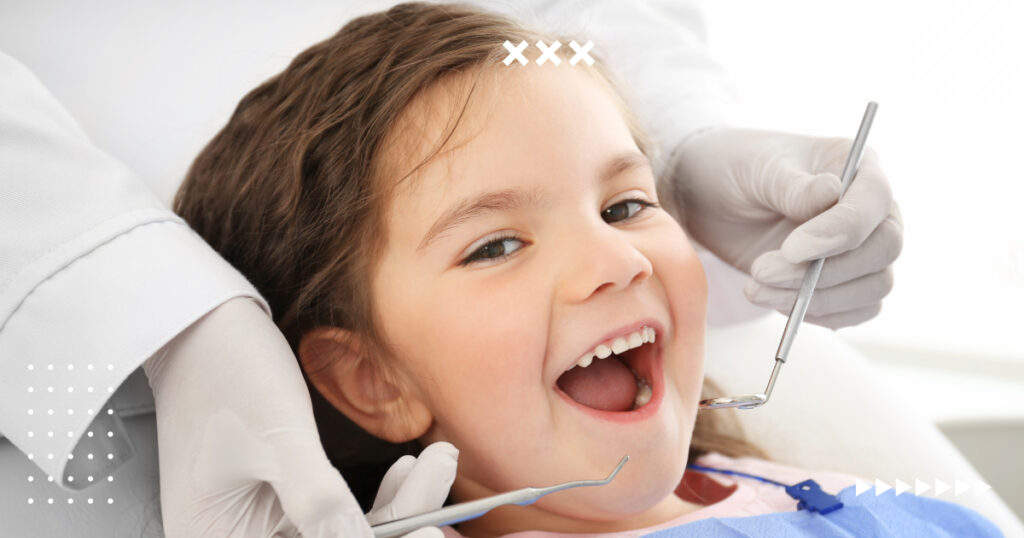
Backpacks are packed, supplies are labeled, and the countdown to the first day has begun. But before your child returns to class, make sure their smile is ready too. Dental checkups for kids aren’t just routine. They’re a smart way to help your child start the year feeling their best.
Dental visits catch problems early, prevent pain, and help set healthy habits that last all year. When kids feel good about their teeth, they’re more likely to stay focused, miss fewer days, and feel confident in the classroom and beyond. It’s a small step that can make a big difference in both grades and self-esteem.
Why a Healthy Smile Helps Kids Shine in School
A bright smile does more than look good. It supports learning and growth. When dental problems are left untreated, they can lead to more than just discomfort. They can cause missed school days, trouble concentrating, and even lower academic performance.
- Rising absenteeism – In the U.S., dental problems lead to about 51 million hours of lost school time each year.
- Tooth pain hurts grades – Children with untreated dental pain are nearly four times more likely to fall behind in academics.
- More missed school days – On average, kids miss around 6 school days per year due to dental issues, with more than 2 days just for toothaches.
- Cycle of poor health and performance – School-based programs show that children with poor oral health are about three times more likely to miss class and twice as likely to struggle academically.
When kids deal with toothaches or dental discomfort, it’s hard to concentrate, participate, or even smile confidently. A healthy mouth helps them stay in class, stay engaged, and feel proud. That adds up to better attendance, stronger grades, and a happier school experience.
Why a Back-to-School Dental Visit Is a Smart Move
A dental checkup might not seem as urgent as picking up notebooks or new shoes, but it’s just as important. It gives your child a head start, not only for their oral health, but for their confidence, focus, and success in the classroom.
Here’s how a back-to-school dental visit can make a difference:
1. Catch problems early
Small issues like cavities, cracked fillings, or loose baby teeth can go unnoticed over the summer, especially with all the popsicles and snacks that come with it. A checkup helps spot those problems before they turn painful or more complicated, saving your child from discomfort and you from unexpected trips to the dentist.
2. Prevent future issues
Preventive care now can mean fewer dental problems later. Sealants and fluoride treatments help protect teeth from cavities, especially in kids who are still learning how to brush effectively. Studies show that sealants can reduce cavities in school-aged children by up to 80%.
3. Build better habits
Dental checkups are a great time to reinforce good hygiene routines. The dentist or hygienist can show your child how to brush and floss properly, offer tips on limiting sugary snacks, and make oral health feel like a normal part of everyday life. It helps kids feel in control of their smile, and that’s a big confidence booster.
4. Make the dentist a stress-free experience
The more familiar your child is with the dental office, the more relaxed and comfortable they’ll be. Regular visits help turn dental care into a normal part of life, not something to worry about. When early experiences are positive, quick, and pain-free, it builds trust and confidence for the future.
5. Support overall well-being
Tooth pain doesn’t just stay in the mouth; it can affect how kids eat, speak, sleep, and feel about themselves. If a child is in pain or embarrassed about their teeth, they may hold back from raising their hand in class, avoid socializing, or have trouble concentrating. A healthy smile supports better learning and a happier school experience.
Easy Ways to Make the Most of Your Child’s Back-to-School Dental Visit
A back-to-school dental checkup is a great opportunity to do more than just get a clean bill of health. With a little planning and a few extra questions, you can set your child up for better oral habits and a more confident school year.
Here are a few ways to make that visit even more worthwhile:
- Book the appointment early
Don’t wait until the week before school starts – aim for a few weeks ahead of time. This gives you enough time to take care of any follow-up visits, cavity treatments, or orthodontic adjustments without rushing. - Ask about sealants and fluoride
These simple, preventive treatments can do a lot to protect your child’s teeth, especially the back molars that are hardest to reach. Sealants can significantly reduce the risk of cavities in school-aged children. It’s worth asking if your child is a good candidate. - Check if their mouthguard still fits
If your child plays sports, it’s important to make sure their mouthguard still fits comfortably. Teeth can shift over summer breaks, especially if your child has lost a baby tooth or started orthodontic treatment. - Get snack advice
School snacks matter more than we think. Ask your dentist about tooth-friendly snack ideas and how to cut back on sugar without making it a battle. Swapping juice boxes and sticky treats for water, fruits, or cheese sticks can make a real difference. - Make brushing fun and consistent
Use the start of the school year as a reset for brushing and flossing routines. A new toothbrush, a fun two-minute timer, or a simple sticker chart can help keep your child motivated and on track, morning and night.
Build Their Confidence and Smile
A healthy mouth supports more than academics. It strengthens social life and self-esteem, too. Kids who smile proudly are more likely to engage in class, make new friends, and feel confident in school photos.
Tips for Parents
Looking to keep your child’s smile healthy and confident all school year? Here’s how to make it easier:
1. Schedule that checkup early
Start the year on the right foot by taking care of any dental needs, whether it’s a routine cleaning, sealants, or checking their mouthguard fit.
2. Take advantage of our wellness plans
Our family-friendly wellness plans include checkups, cleanings, X-rays, and discounts on other treatments, making it simple to stay on top of your child’s dental care without stress. Learn more here.
3. Don’t be shy. Ask questions!
Whether you’re wondering about fluoride, braces, sealants, sports protection, or easing dental anxiety, our team is always happy to help. No question is too small.
4. Reinforce good habits at home
Help your child stick to brushing twice a day with fluoride toothpaste, flossing daily, eating balanced meals, and skipping sugary drinks when possible. Small changes make a big difference over time.
One quick dental visit can do more than protect your child’s teeth. It can help them stay focused in class, avoid missed school days, and feel confident around friends. It’s a small step that supports healthy habits, stronger learning, and a great start to the year.
Ready to Start the School Year with a Smile?
A simple dental checkup for kids can make a big difference in your child’s school year, helping them stay healthy, confident, and focused from day one. It’s one of the easiest ways to support their overall well-being, both in and out of the classroom.
Want to make it even easier? Explore our family-friendly Wellness Plans for routine checkups, cleanings, and more – all designed to fit your family’s needs. Let’s get that smile school-ready; book your appointment today!
Sources
“The Impact of Oral Health on the Academic Performance of Disadvantaged Children,” National Library of Medicine,
https://pmc.ncbi.nlm.nih.gov/articles/PMC3482021/
“Poor Oral Health Can Mean Missed School, Lower Grades,” Herman Ostrow School of Dentistry of USC,
https://dentistry.usc.edu/poor-oral-health-can-mean-missed-school-lower-grades/
“CATCH Healthy Smiles,” Catch,
https://catch.org/program/oral-health/
“When Dental Issues Interfere with School,” Pediatric Dental Team,
https://www.thepediatricdentalteam.com/blog/when-dental-issues-interfere-with-school/
“Vital Signs: Dental Sealant Use and Untreated Tooth Decay Among U.S. School-Aged Children,” Centers for Disease Control and Prevention,
https://www.cdc.gov/mmwr/volumes/65/wr/mm6541e1.htm